MOT
How to change a tyre
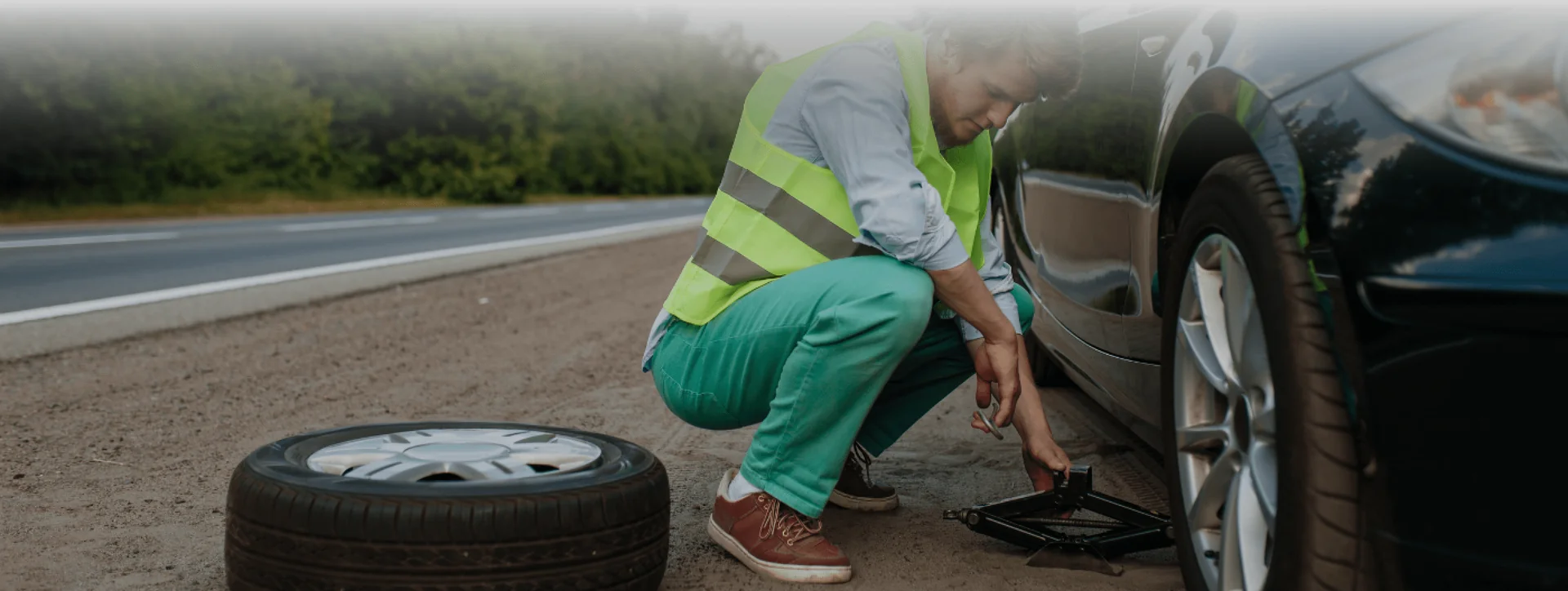
If the mere thought of dealing with a flat tyre leaves you sweating, don't worry! We’re here to help you understand how to change a tyre.
This comprehensive guide will not only explain when and why you need to change your tyres, but will also walk you through how to change a tyre step-by-step.
How often do tyres need replacing?
On average, a typical set of tyres should last between 20,000 to 30,000 miles which is roughly three to four years for an average motorist. However, this can vary significantly depending on several factors:
- Driving habits: more aggressive driving styles, such as fast acceleration, high speeds, and hard braking can wear out tyres faster
- Road conditions: tyres can wear out more quickly if you often drive on rough or damaged roads
- Tyre maintenance: tyres that are properly inflated and regularly rotated will generally last longer than those that aren't. Tyre alignment is also a key factor in tyre longevity
- Weather conditions: extreme heat or cold can affect a tyre’s lifespan. Hot weather can cause the rubber to break down more quickly, while freezing temperatures can make the rubber hard and brittle, causing cracks
Due to these variables, it's important to regularly check your tyres for signs of wear or damage. Regular inspections and servicing can help you spot potential issues before they become serious problems, keeping you safer on the road.
Download Caura and book a service or tyre puncture repair with trusted mechanics near you.
Signs that your tyres need replacing
Now that you know how often tyres need to be replaced, here are some indicators of tyre wear. Recognising these signs early can prevent accidents and keep your driving experience smooth and safe:
- Tyre tread depth: the minimum tyre tread in the UK is 1.6mm. The best way to check this is by performing the 20p tyre test on each tyre. If any of your car’s tyres don’t meet this requirement, it’s time to book a tyre repair

- Vibration or unusual noise: if you notice abnormal vibrations or noise while driving, it could be a sign of internal tyre damage. Get this checked by a mechanic as soon as possible
- Cracks or cuts: look for cuts, cracks, or grooves in the tyre that are clearly visible. These can indicate that your tyres are developing leaks, or are ready to blow out
How to change a tyre
Knowing how to change a tyre on a car is a fundamental skill for every driver.
What you’ll need:
- Wrench - for removing the wheel nuts
- Jack - for lifting the car off the ground
- Wheel nut key - if locking nuts are fitted
Here's an easy 11 step guide:
- Find a safe location: as soon as you realise your tyre is flat, don't brake abruptly. Slow down and find a flat, stable place to change it.
- Turn on your hazard lights to let other drivers know you’re about to stop
- Apply the parking brake: this prevents the car from moving while you're changing the tyre
- Remove the hubcap or wheel cover: it's much easier to loosen the wheel nuts without the cover or cap in the way
- Loosen the wheel nuts: use your wrench to loosen the wheel nuts
- Place the jack under the vehicle: the right place for the jack is usually beneath the vehicle frame
- Raise the vehicle with the jack: raise the car slowly until the tyre you want to replace is about 15cm off the ground
- Unscrew the wheel nuts and remove the flat tyre: fully remove all wheel nuts and keep them in a safe place. Then gently pull the tyre towards you to remove it
- Mount the spare tyre and screw in the wheel nuts: gently push the spare tyre in line with the wheel nut slots. Replace the wheel nuts
- Lower the vehicle and tighten the wheel nuts: once the vehicle is back on the ground, remove the jack and tighten the wheel nuts completely using the wrench
- Replace the hubcap or wheel cover: make sure that this is replaced securely
Remember, you can only drive approximately 50 miles on spare tyres, so this would only be a temporary solution. Make sure to visit a mechanic for a tyre repair or replacement near you as soon as possible.
Book a tyre change near you in Caura
In case you're not comfortable changing your own tyre, Caura has got you covered! Booking a tyre change is just a couple of clicks away.
Whether you're dealing with a flat tyre or in need of a new set, you can rely on the trusted mechanics we work with to get you back on the road safely. Remember, staying proactive about tyre maintenance can extend the life of your tyres and improve your safety on the road.